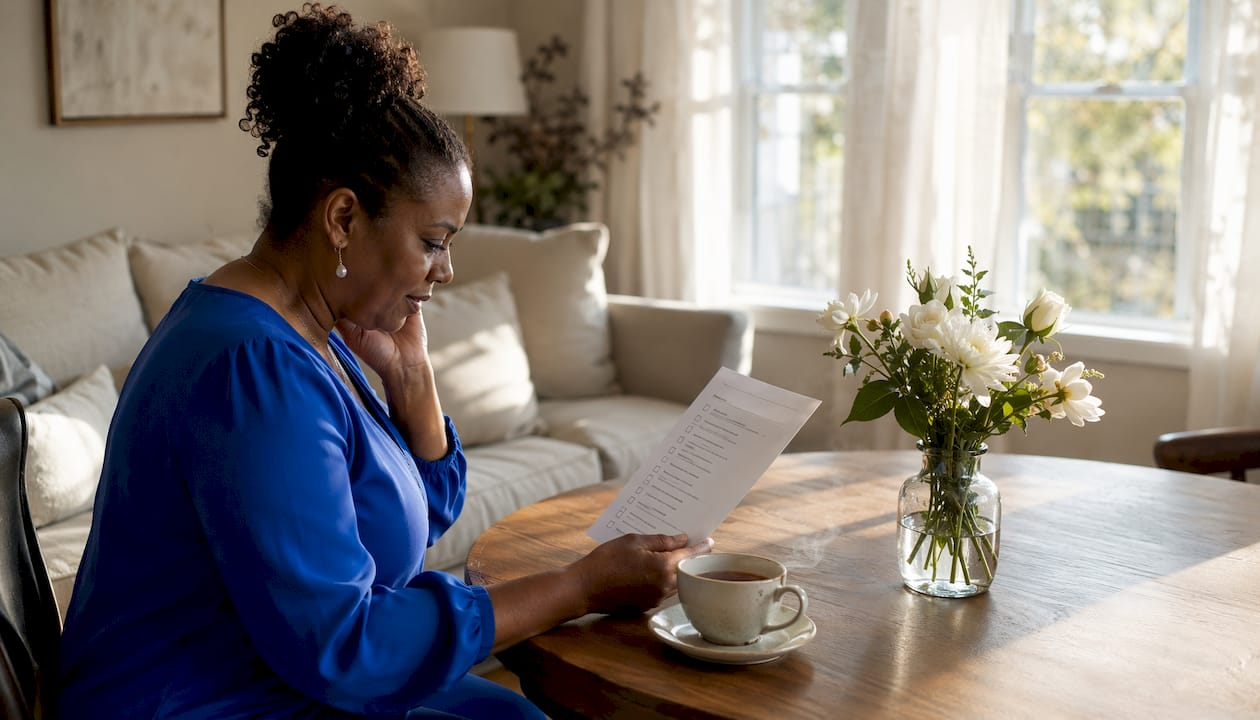
Your single most important job on the wedding day: confirm you have legal authority, hold the marriage license, and deliver two legally required phrases. Everything else is ceremony. Use this checklist to run a valid, camera-ready ceremony without missing a beat.
Day-of checklist (print and tape inside your script binder):
- Confirm ordination/registration is valid for the ceremony county
- Physically take possession of the marriage license before guests arrive
- Bring two printed script copies plus a digital backup on your phone
- Pack two black pens, a spare pen for witnesses, and the license envelope
- Carry your emergency kit (see Section 7 for the full list)
- Check in with the planner, photographer, and DJ/musician on arrival
- Deliver the Declaration of Intent and Pronouncement of Marriage verbatim
- Sign the license with your full legal name and title immediately after the ceremony
- Return the license to the county clerk within the required deadline
Pro Tip: Print this checklist, fold it to business-card size, and tape it to the inside cover of your script binder. When nerves hit, one glance resets you.
Table of Contents
- What does a prep timeline look like for a wedding officiant?
- What is the standard ceremony outline an officiant should follow?
- How do you write and get approval for the ceremony script?
- How should you run the rehearsal and manage stage logistics?
- What should an officiant do on the day of the wedding?
- What goes in an officiant’s day-of emergency kit?
- What are the legal requirements for officiants in the U.S.?
- How do you deliver the ceremony clearly and memorably?
- What should an officiant do immediately after the ceremony?
- How does Ordainedpro help first-time officiants stay organized?
- Key Takeaways
- What most first-time officiants get wrong about preparation
- Ordainedpro gives you the templates and legal tools to officiate with confidence
- Useful sources for officiants
What does a prep timeline look like for a wedding officiant?
Most first-time officiants underestimate how much lead time the legal and logistical steps actually need. Eight months feels like forever until you realize some counties require registration paperwork weeks in advance.

| Milestone | Timeframe | Key deliverables |
|---|---|---|
| Get ordained and confirm legal authority | 8+ months out | Complete ordination; check state/county registration requirements |
| Initial planning meeting with couple | 6 months out | Tone, rituals, vow style, guest count, accessibility needs |
| Request names, readings, and vow drafts | 4 months out | Pronunciation guide, processional order, ring-holder plan |
| First script draft to couple | 2–3 months out | Full ceremony draft; collect written approval |
| Confirm marriage license timeline | 6–8 weeks out | Verify license validity window and county return deadline |
| Rehearsal | 1–2 weeks out | Run full ceremony, confirm mic and stage positions |
| Final script locked | 3–5 days out | no more edits; print final copies without specifying exact timing |
| Day of | Ceremony day | Arrive early, check in with vendors, hold the license |
At the initial planning meeting, cover these topics: ceremony tone (religious, secular, or spiritual), desired rituals (unity candle, handfasting, ring warming), whether the couple is writing their own vows, the legal status of both partners, and any accessibility considerations for the venue. Ask the couple to email you a written list of names with phonetic spellings before you leave that first meeting.

Pro Tip: Call the county clerk’s office at least two months before the wedding. Some counties, like those in Virginia, require state registration before you can legally perform a ceremony. Pennsylvania counties may require ordination documents submitted in advance. A five-minute phone call prevents a legally invalid ceremony.
What is the standard ceremony outline an officiant should follow?
A reliable ceremony runs a standard structure around twenty to thirty minutes. Here are the ten canonical parts, with sample wording and approximate timing for each.
- Welcome/Opening (1–2 min) — “We are gathered here today to celebrate the marriage of [Name] and [Name], two people who have chosen each other with open hearts.”
- Processional cue (1–3 min) — Signal the musician to begin; officiant stands at the altar and faces the guests as the wedding party enters.
- Opening remarks (2–3 min) — Share a brief reflection on the couple’s story or a short reading about love and commitment.
- Readings (2–4 min, optional) — Introduce each reader by name; stand to the side while they speak.
- Address/Homily (3–5 min) — Your personal words about the couple. Keep it specific to them, not generic.
- Declaration of Intent (1 min) — This is legally required. Sample: “[Name], do you take [Name] to be your lawfully wedded spouse, to have and to hold, in sickness and in health, for as long as you both shall live?” Each partner answers “I do.”
- Vows (2–3 min) — Couple reads or recites personal or traditional vows. Have a printed copy as backup.
- Ring exchange (1–2 min) — “May these rings be a symbol of your unending love and commitment.” Cue the ring bearer or ring holder.
- Unity ritual (2–5 min, optional) — Unity candle, sand ceremony, handfasting, or similar. Narrate briefly while the couple performs the ritual.
- Pronouncement and recessional cue (1 min) — “By the power vested in me by the State of [State], I now pronounce you married. You may kiss.” Step aside immediately. Cue the musician for the recessional.
Optional elements you can add or cut: a ring warming (passes rings through guests), a wine ceremony, or a letter-reading ritual. If you need to shorten the ceremony, trim the address and cut the unity ritual first. The Declaration of Intent and Pronouncement are non-negotiable; every other element is flexible.
How do you write and get approval for the ceremony script?
The script workflow has five steps, and skipping any one of them usually creates a last-minute panic.

Step 1: Interview the couple. Collect names with phonetic spellings, the processional order, readings with full author attribution, vow style (written, traditional, or repeat-after-me), ring-holder plan, photo cues the photographer has requested, and any accessibility notes (microphone height, seating for elderly guests).
Step 2: Write the first draft. Use a ceremony script template as your starting structure. Fill in the couple’s names, story details, and chosen readings. Label the file with the date: Smith-Jones_Draft1_[date].
Step 3: Send for couple review. Email the draft with a deadline for feedback. Use a short, direct message:
Step 4: Revise and version-control. Label each revision (Draft2, Draft3). Keep every version in a dated folder. Never delete old drafts; couples occasionally want to revert a change.
Step 5: Lock the final script. No edits after the rehearsal-ready draft is approved. Print two copies and email yourself a PDF as a digital backup so you can pull it on your phone if a printed copy is lost.
Pro Tip: Ask the couple to record a short voice memo saying each name out loud and text it to you. Hearing “Siobhan” spoken correctly once is worth more than three phonetic spellings.
How should you run the rehearsal and manage stage logistics?
The rehearsal is where you prevent ceremony-day confusion, not where you practice your speech. Keep it focused and efficient: most rehearsals run 30–45 minutes.
Rehearsal checklist:
- Confirm the processional order and who walks with whom
- Walk the processional path at actual pace
- Identify where each wedding party member stands at the altar
- Confirm who holds the rings and when to hand them over
- Run a microphone check; confirm volume and feedback issues
- Mark where the officiant stands for vow and ring-exchange photos
- Identify where the officiant steps during the kiss (to the left or right, out of frame)
- Confirm the rain plan for outdoor ceremonies
- Run the recessional order and exit pace
For vendor coordination at the rehearsal: introduce yourself to the photographer and ask which side they prefer you to stand on. Confirm the recessional music cue with the DJ or musician. If a wedding coordinator is present, exchange cell numbers and agree on a signal for “we’re ready to start.”
A sample rehearsal run sheet looks like this: 6:00 PM — Processional walk-through (full wedding party). 6:15 PM — Ceremony positions confirmed, mic check. 6:25 PM — Vow and ring exchange rehearsed. 6:35 PM — Recessional walk-through. 6:45 PM — Questions and wrap-up.
For outdoor ceremonies, confirm a backup location or a tent plan. Walk the path in the actual shoes you’ll wear on the wedding day. Wet grass and heels are a combination worth testing in advance. More on outdoor contingency planning is covered in Ordainedpro’s outdoor ceremony guide.
What should an officiant do on the day of the wedding?
Arrive at least at least an hour before the ceremony start time. That buffer is not optional; it is when you solve problems before guests see them.
Arrival and check-in routine:
- Check in with the wedding coordinator or venue contact first
- Confirm ceremony start time and any schedule changes
- Find the photographer and confirm your standing position and the kiss-photo cue
- Locate the DJ or musician and confirm processional and recessional music cues
- Test the microphone; adjust the stand height if needed
- Confirm the marriage license is in your possession
On the marriage license: take personal possession of the license before the ceremony begins and keep it in a secure interior pocket or a labeled folder in your bag. Do not hand it to a family member, leave it on a table, or assume the couple has it. After the ceremony, collect signatures from the couple and the required witnesses before anyone leaves the venue.
Contingency steps for common problems:
- Missing rings: Ask the best man or maid of honor to check pockets and bags; if truly missing, use a stand-in ring for the ceremony and sort it after.
- Mic failure: Project your voice to the back row; slow your pace and face the guests directly.
- Late participants: Coordinate with the planner on a delay signal; keep guests calm with a brief, relaxed comment (“We’re just a few moments away”).
- Weather emergency (outdoor): Execute the pre-agreed rain plan; announce the location change calmly and clearly.
Pro Tip: Write a five-item vendor check-in list on a notecard and keep it in your front pocket. When you arrive, work through it in order. Announcing your role clearly at the first touchpoint (“I’m the officiant, here’s my cell”) sets the right tone with every vendor immediately.
What goes in an officiant’s day-of emergency kit?
Pack this kit the night before and do not open it until you need it. Every item on this list has saved a ceremony at least once.
- Two printed script copies (one for the altar, one backup in your bag)
- Two black pens (one for you, one for witnesses signing the license)
- Marriage license in a sealed envelope (labeled with the couple’s names)
- Phone with digital script backup and charger or portable battery
- Mints (no gum; you cannot chew and speak clearly)
- Deodorant (travel size)
- Tissues (for you and the couple)
- Safety pins (wardrobe malfunctions happen)
- Stain remover pen (one drop of coffee is all it takes)
- Small sewing kit (loose button on your jacket, broken strap)
- Band-aids (new shoes, blisters)
- Spare button (matching your outfit if possible)
- Flashlight or phone torch (outdoor evening ceremonies)
- Gaffer tape (securing mic cables, fixing a loose altar cloth)
- Spare pen (a third pen, because pens disappear at signings)
A complete officiant emergency kit is available through Ordainedpro if you’d rather buy a pre-assembled version than build your own. Keep the marriage license in a separate, clearly labeled pocket from everything else in the kit. When you reach for it after the ceremony, you want it in exactly one place.
Pro Tip: Use a labeled zippered pouch for the kit and a separate rigid folder for the license and script. Mixing them together means digging through mints and safety pins when you need a pen at the signing table.
What are the legal requirements for officiants in the U.S.?
Legal authority to marry a couple in the United States depends on your state and sometimes your specific county. Ordination alone is not always sufficient.
| Legal step | What to confirm | Notes |
|---|---|---|
| Ordination validity | Is your ordination recognized in the ceremony state? | Most states accept online ordination; a few have restrictions |
| State/county registration | Does your state or county require you to register? | Virginia requires state registration; Pennsylvania counties may require advance submission |
| Letter of good standing | Does the county require one from your ordaining organization? | Call the county clerk to confirm |
| Marriage license validity | Is the license valid for the ceremony county and date? | Licenses are county-specific in most states |
| Witness requirements | How many witnesses are required, and do they need ID? | Typically 1–2 witnesses; confirm locally |
| Signing format | Sign with full legal name and title exactly as on your credentials | Errors on the license can invalidate the filing |
| Return deadline | How many days after the ceremony must the license be returned? | Vermont requires return within 10 days; California allows up to 10 days in most counties; always confirm locally |
The two phrases that make a marriage legally valid are the Declaration of Intent (“Do you take…”) and the Pronouncement of Marriage (“I now pronounce you married”). Without both delivered in the ceremony, the marriage has no legal standing regardless of the paperwork.
Pro Tip: Call the county clerk’s office where the license was issued, not just the ceremony county. Ask specifically: “Is online ordination accepted? Do I need to register or submit credentials in advance? What is the return deadline for the signed license?” Write down the name of the person you spoke with and the date.
This article is general information, not legal advice. Confirm all requirements with your county clerk or a qualified professional for your specific situation.
How do you deliver the ceremony clearly and memorably?
Delivery is where preparation either shows or falls apart. The mechanics are simple; the discipline to execute them under pressure is what takes practice.
Delivery fundamentals:
- Slow your pace by 20% from your natural speaking speed; nerves speed everyone up
- Project to the back row, not to the couple in front of you
- Make eye contact with the couple during vows and with the guests during your address
- Pause for two full seconds after each “I do” before continuing
- Hold the script at chest height so your face stays visible
Sample lines you can use verbatim:
- Welcome: “We are gathered here today to celebrate one of life’s greatest moments — the joining of [Name] and [Name] in marriage.”
- Declaration of Intent: “[Name], do you take [Name] to be your lawfully wedded spouse, to love and cherish, in joy and in sorrow, for as long as you both shall live?”
- Inclusive vow prompt: “Please repeat after me: I, [Name], take you, [Name], to be my partner in life and my one true love.”
- Pronouncement: “By the power vested in me by the State of [State], I now pronounce you married.”
- Kiss cue and step: “You may now kiss. (Step aside now.) Ladies and gentlemen, for the first time as a married couple — [Name] and [Name]!”
That parenthetical “Step aside now” is a script note to yourself, not spoken aloud. Photographers rely on that cue to capture the kiss without the officiant in frame. Write it in bold in your printed script so you never forget.
Pro Tip: Write phonetic spellings of every name on the last page of your script and say them out loud three times the morning of the wedding. “Siobhan” (Shih-VAWN), “Caoimhe” (KEE-va), “Aoife” (EE-fa) — mispronouncing a name at the altar is the one mistake guests remember.
What should an officiant do immediately after the ceremony?
The ceremony ends with the recessional, but your job has two more steps before you leave the venue.
Signatures and filing:
- Gather the couple and witnesses at the signing table before the cocktail hour begins
- Confirm the number of required witnesses and that they have valid ID if the county requires it
- Sign the license using your full legal name and title exactly as they appear on your ordination credentials
- Double-check every signature field before sealing the envelope
- Return the license to the issuing county clerk within the required deadline (confirm this deadline before the wedding day, not after)
Administrative follow-up:
- Confirm the couple’s mailing address and email for any filing confirmation they request
- Set a calendar reminder 30 days out to verify the county has recorded the marriage
- Keep a copy of your signed credentials and the filing receipt in your records
Client follow-up:
Send a short thank-you note within 48 hours. Something like: “It was an honor to officiate your ceremony. If you need a copy of the filing confirmation or have any questions about the recording process, I’m happy to help. I’d also love a review if you have a moment.” Keep it brief and genuine.
What to hand off vs. what to keep:
- Give the couple: a copy of the ceremony script as a keepsake, any filing confirmation
- File with the county: the signed original marriage license
- Keep for your records: a copy of your credentials, the couple’s contact info, and a note of the filing date
How does Ordainedpro help first-time officiants stay organized?
Ordainedpro is built for exactly the situation this guide describes: a first-time officiant who needs a legally compliant script, a day-of checklist, and a filing reminder, all in one place.
What the platform gives you:
- Customizable ceremony script templates with pre-populated legal phrasing for the Declaration of Intent and Pronouncement
- A script editor that lets you personalize vows, readings, and unity rituals without starting from scratch
- Ordination and credential storage so your documents are accessible from any device
- Filing reminders tied to your ceremony date so you never miss a county return deadline
- Day-of checklist tools and printable binders you can take to the venue
- A script marketplace where you can access scripts written by experienced officiants
Quick-start steps for a first-time user:
- Create an account and enter the ceremony date and couple’s names
- Select a ceremony template (civil, religious, secular, or cultural)
- Run the county-check compliance tool to confirm your legal authority for the ceremony location
- Customize the script with the couple’s story, readings, and vow style
- Download and print the day-of checklist binder
Over 3,736 officiants have used Ordainedpro to build ceremonies. The platform’s compliance tools are particularly useful for first-timers who are not sure whether their ordination is recognized in a specific county or state.
Key Takeaways
A legally valid, well-delivered ceremony requires confirmed legal authority, a locked script with two printed copies, vendor coordination on arrival, and a signed license filed within the county deadline.
| Point | Details |
|---|---|
| Legal authority first | Confirm ordination is valid for the ceremony county and call the clerk at least two months out. |
| Hold the license yourself | Take personal possession of the marriage license before the ceremony and keep it in a secure, labeled folder. |
| Two legal phrases are mandatory | The Declaration of Intent and Pronouncement of Marriage are required for a legally valid ceremony. |
| Pack an emergency kit | Bring printed scripts, two black pens, a stain pen, safety pins, mints, and gaffer tape at minimum. |
| Ordainedpro for templates and compliance | Use Ordainedpro’s script templates and county-check tool to build a compliant ceremony and set filing reminders. |
What most first-time officiants get wrong about preparation
Most people who are asked to officiate a wedding spend 90% of their prep time on the speech and almost none of it on the paperwork. That is exactly backwards. A beautiful address with a mispronounced name and a missing witness signature is a ceremony the couple will remember for the wrong reasons.
The checklist mentality is not about being rigid. It is about protecting the moments that matter by handling the logistics before they become problems. Arrive early. Check the license. Test the mic. Have a pen. Those four habits take five minutes and prevent the most common ceremony failures.
The delivery part, the nerves, the pacing, the eye contact, those improve naturally with a locked script and one solid rehearsal. What does not improve naturally is a county clerk who rejects a license because the officiant’s title was written incorrectly. That is a fixable problem only if you know about it in advance.
Novice officiants who use a structured checklist and a reliable script template consistently report feeling more confident on the day. The habits are learnable quickly, and the tools to support them, from printable checklists to compliance reminders, are available right now.
Ordainedpro gives you the templates and legal tools to officiate with confidence
The hardest part of officiating a first wedding is not the speech. It is knowing you have covered every legal and logistical detail before you walk up to the altar. Ordainedpro removes that uncertainty with ready-to-use ceremony scripts, a county compliance check, and a day-of checklist binder you can print and carry.

Every script template includes the legally required Declaration of Intent and Pronouncement phrasing, pre-formatted for your state. The filing reminder system tracks your county’s return deadline automatically. For first-time officiants who want a complete playbook, the Modern Wedding Officiant’s Guide walks through every step from ordination to post-ceremony filing. Start building your ceremony script at Ordainedpro today.
Useful sources for officiants
The sources below back the legal and practical claims in this guide. Always verify your specific county’s requirements directly with the issuing clerk’s office.
- Vermont Department of Health Officiant Checklist — State-issued filing instructions including signature format, required fields, and the 10-day return deadline. A concrete example of what county-level compliance documentation looks like.
- CupOfJo: How to Officiate a Wedding — Covers state registration requirements (Virginia, Pennsylvania), the two legally required ceremony phrases, and marriage license validity windows.
- The PCO: How to Officiate a Wedding Ceremony — Rehearsal checklist details including mic checks, processional order, and the kiss-photo step-aside cue.
- WanderlustBay: Day of the Wedding Checklist for Ministers — Practical day-of guidance on taking personal possession of the marriage license and phonetic name confirmation.
- Wedding Pioneer: Wedding Officiant Checklist — Emergency kit item list and the recommendation to carry both printed and digital script backups.
- The AMM: What to Pack in an Officiant’s Wedding Day Emergency Kit — Authoritative packing list from a major U.S. ordaining organization.